
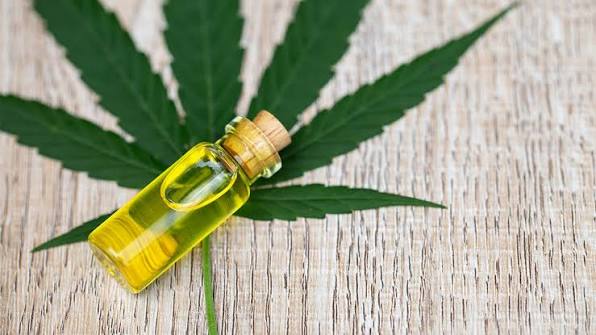
CBD oil has become a popular addition to pet wellness routines, particularly among dog owners looking for convenient hemp-derived products. However, one of the most common questions new users have is: How long does CBD oil last in dogs?
The answer isn’t exactly the same for every dog. How long CBD remains active can vary based on factors such as the dog’s size, metabolism, the amount given, the product’s formulation, and how it is administered.
It’s also important to distinguish between how long the effects may be noticeable and how long CBD or its metabolites may remain in the body. These are not necessarily the same thing.
This guide explains what can influence the duration of CBD in dogs, what pet owners should know about product quality, and how to approach CBD use responsibly.
What Is CBD Oil for Dogs?
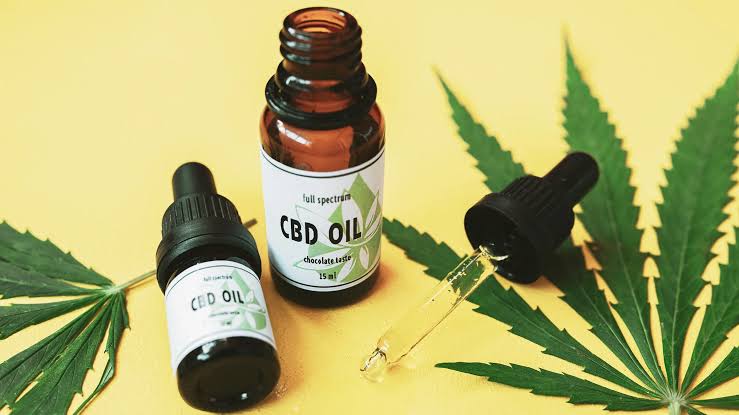
CBD, short for cannabidiol, is a naturally occurring cannabinoid derived from hemp. Unlike THC, CBD is not intoxicating.
CBD oil for dogs is generally formulated by combining hemp-derived CBD extract with a carrier oil, such as MCT or hemp seed oil. Products can vary considerably in their concentration, ingredients, and cannabinoid profiles.
Some formulations are:
- Full-spectrum CBD
- Broad-spectrum CBD
- CBD isolate
These differences can influence how a product is used and experienced.
How Long Does CBD Oil Last in Dogs?
There isn’t one scientifically established duration that applies to every dog.
As a general practical estimate, the noticeable effects of CBD oil may last for several hours, but the exact duration can vary considerably between individual dogs and products.
Factors such as metabolism, body size, product formulation, and whether CBD was given with food can influence how long it takes to be absorbed and processed.
Importantly, the time CBD remains detectable in the body can be longer than the period during which noticeable effects occur.
For this reason, pet owners shouldn’t assume that a dog needs another serving simply because the noticeable effects appear to have worn off.
What Determines How Long CBD Lasts in Dogs?
Several factors can affect the duration of CBD in a dog’s system.
1. Dog’s Size and Weight
Body size can influence how substances are distributed and metabolized.
However, weight alone doesn’t determine how long CBD will last. Two dogs of similar size can respond differently because of differences in metabolism and overall health.
2. Metabolism
Every dog processes substances differently.
A dog with a faster metabolism may process CBD differently from a dog with a slower metabolism.
Age, genetics, activity level, liver function, and overall health can all influence metabolism.
3. CBD Concentration
CBD products come in different concentrations.
For example, one oil may contain considerably more CBD per milliliter than another.
This means comparing bottles based only on size can be misleading. Always check the CBD concentration per serving or milliliter.
4. Method of Administration
How CBD is given may affect how quickly it is absorbed.
CBD oil can be administered directly or mixed with food, depending on the product instructions and veterinary advice.
When CBD is swallowed and passes through the digestive system, absorption can differ from other routes of administration.
5. Food and Digestion
Whether CBD is given with food may influence absorption.
The composition of a dog’s meal, including its fat content, can affect the absorption of certain compounds.
Because of this, consistency can be useful. If a veterinarian recommends CBD for your dog, follow the product instructions and maintain a consistent routine rather than changing how you administer it frequently.
How Quickly Does CBD Oil Start Working in Dogs?
The onset of noticeable effects can vary.
Some dogs may show changes relatively soon after administration, while others may take longer.
Factors affecting onset include:
- Product formulation
- Amount administered
- Whether it was given with food
- Individual metabolism
- Dog’s overall health
It’s important not to give additional servings simply because you don’t notice an immediate response.
If you’re unsure about the appropriate serving schedule, speak with your veterinarian.
How Long Does CBD Stay in a Dog’s System?
This is different from asking how long the effects last.
A substance can remain in the body after its noticeable effects have diminished. CBD and its metabolites may therefore remain in the body longer than a dog appears to experience any noticeable effects.
The exact elimination time in dogs isn’t firmly established and can vary depending on the individual animal and product.
This distinction is particularly important for competition horses and animals subject to drug testing, where detection and regulatory considerations may differ from everyday pet use.
Does CBD Last Longer in Older Dogs?
Older dogs may process substances differently because metabolism can change with age.
Senior dogs may also have underlying health conditions or take medications that can affect how CBD is processed.
If you’re considering CBD oil for a senior dog, it’s especially important to discuss it with your veterinarian first.
Does CBD Last Longer in Small Dogs?
Not necessarily.
A dog’s size can influence how a substance is distributed and metabolized, but it doesn’t mean CBD will automatically last longer in a smaller dog.
Individual metabolism, health, product formulation, and serving amount are also important.
Does the Type of CBD Oil Matter?
Yes, product formulation can make a difference.
1. Full-Spectrum CBD Oil
Full-spectrum products contain CBD along with other naturally occurring hemp compounds, including other cannabinoids and terpenes. Depending on applicable regulations and the product, trace amounts of THC may also be present.
2. Broad-Spectrum CBD Oil
Broad-spectrum products contain multiple hemp compounds but are processed to remove THC.
3. CBD Isolate
CBD isolate contains cannabidiol without the other cannabinoids and terpenes found in whole-plant extracts.
These formulations aren’t necessarily interchangeable, so always read the product label carefully.
Can You Give CBD Oil to Your Dog Every Day?
Some pet owners incorporate CBD products into a daily wellness routine, but whether regular use is appropriate depends on the individual dog.
Before giving CBD regularly, consider:
- Your dog’s age
- Existing health conditions
- Current medications
- Product concentration
- Reason for using CBD
Your veterinarian can help determine whether CBD is appropriate and how it should fit into your dog’s overall care plan.
Don’t Increase the Amount Just Because the Effects Wear Off
One of the most important things for pet owners to understand is that duration does not determine serving size.
If you believe CBD isn’t lasting long enough, don’t automatically increase the amount or give another serving.
Instead, speak with your veterinarian.
Giving more than recommended can increase the likelihood of unwanted effects and may complicate your dog’s overall treatment routine.
Potential Side Effects to Watch For
CBD is not completely risk-free.
Some dogs may experience unwanted effects such as:
- Drowsiness
- Changes in appetite
- Gastrointestinal upset
- Loose stool
- Dry mouth
- Changes in energy levels
If your dog experiences unusual or concerning symptoms after receiving CBD, stop administering the product and contact your veterinarian for guidance.
CBD Oil and Medication: Why Veterinary Advice Matters
CBD may interact with certain medications because the body uses metabolic pathways to process many substances.
This is especially important if your dog takes medication for:
- Seizures
- Pain
- Anxiety
- Heart conditions
- Inflammation
- Other chronic conditions
Always tell your veterinarian about any CBD products or supplements you’re considering.
How to Choose Quality CBD Oil for Dogs
If your veterinarian agrees that CBD is appropriate, product quality should be a priority.
Look for:
1. Third-Party Laboratory Testing
Independent testing can verify cannabinoid concentrations and screen for contaminants.
2. Certificate of Analysis
A COA provides laboratory information about a particular product or batch.
3. Clear CBD Concentration
The label should clearly state the amount of CBD per milliliter or serving.
4. Pet-Specific Formulation
Products made specifically for animals can make it easier to avoid ingredients that may not be appropriate for dogs.
5. Transparent Ingredients
Choose products with clearly listed ingredients and avoid unnecessary additives.
How to Store CBD Oil Properly
Proper storage helps maintain product quality.
Most CBD oils should be:
- Kept away from direct sunlight
- Stored in a cool, dry location
- Kept tightly sealed
- Stored according to the manufacturer’s instructions
- Kept out of your dog’s reach
Always check the product label for specific storage recommendations.
Common Mistakes Dog Owners Should Avoid
1. Giving Human CBD Products to Dogs
Human CBD products may contain ingredients that aren’t suitable for dogs.
Use products specifically formulated for pets and consult your veterinarian.
2. Guessing the Serving Amount
Different products have different concentrations. Follow the manufacturer’s instructions and veterinary advice.
3. Assuming More CBD Is Better
Higher amounts don’t automatically mean better results.
4. Ignoring Other Medications
CBD may interact with certain medications, making veterinary consultation particularly important.
5. Buying Products Without Testing
A product without accessible laboratory testing makes it difficult to verify its contents and purity.
Also Read: Everything You Need to Know About Pet Soft Chew Supplements
Conclusion
So, how long does CBD oil last in dogs? There isn’t a universal answer. Noticeable effects may last for several hours, while CBD and its metabolites can remain in the body longer. Factors such as your dog’s metabolism, size, age, health, product formulation, and administration method can all influence how CBD is processed.
The most important thing is not to focus solely on how long the effects appear to last. Instead, choose a quality, pet-specific product, follow the manufacturer’s instructions, and consult your veterinarian—particularly if your dog takes medication or has an underlying health condition.
CBD should be viewed as a potential part of a broader pet wellness approach, not a replacement for veterinary diagnosis or treatment. With informed product selection and professional guidance, you can make safer decisions about whether CBD oil is appropriate for your dog’s individual needs.