

CBD has become increasingly popular as a natural supplement for pets, particularly for its ability to promote overall wellness, alleviate anxiety, manage pain, and support joint health. While CBD can offer many benefits for dogs, introducing it into their daily routine requires careful planning and consideration. To ensure your dog experiences the positive effects of CBD safely, it’s essential to understand the proper steps for selecting the right product, determining the appropriate dosage, and integrating it into their lifestyle. This guide will walk you through everything you need to know to safely introduce CBD into your dog’s daily routine.
Understanding the Basics of CBD for Dogs
CBD, or cannabidiol, is a compound derived from the hemp plant. Unlike THC, it is non-psychoactive, meaning it does not produce a “high.” Dogs, like humans, have an endocannabinoid system (ECS) that helps regulate functions such as mood, pain, appetite, and immune response. CBD interacts with the ECS to promote balance and support overall health. Before incorporating CBD into your dog’s routine, it’s important to understand its potential benefits, risks, and how it works.
Step 1: Consult Your Veterinarian
Before introducing any new supplement to your dog, consult your veterinarian. They can provide insights into whether CBD is appropriate for your dog’s specific health needs, especially if your dog is taking other medications or has underlying health conditions. Your vet can also help you determine the right dosage and recommend trustworthy CBD products tailored to pets.
Step 2: Choose the Right CBD Product for Your Dog
Not all CBD products are created equal, and choosing the right one for your dog is critical for safety and effectiveness. Consider the following factors when selecting a product:
- Type of CBD: There are three main types of CBD products—full-spectrum, broad-spectrum, and CBD isolate. Full-spectrum CBD contains all the cannabinoids, terpenes, and trace amounts of THC (below 0.3%). Broad-spectrum CBD includes all cannabinoids except THC. CBD isolate is pure CBD. For dogs, THC-free products (broad-spectrum or isolate) are generally recommended.
- Form of CBD: CBD for dogs is available in various forms, including oils, treats, capsules, and topicals. Oils are the most versatile and allow for precise dosing, while treats are convenient and palatable.
- Quality and Purity: Ensure the product is third-party tested for potency and purity. Look for products made from organically grown hemp to avoid harmful chemicals or pesticides.
- Flavor: Many pet-specific CBD products are flavored with ingredients like chicken, beef, or peanut butter to make them more appealing to dogs.
Step 3: Start with a Low Dose
When introducing CBD to your dog, always start with a low dose and gradually increase it based on their response. The right dosage depends on factors such as your dog’s weight, age, and health condition. Most products include a dosage chart as a guideline, but it’s important to monitor your dog closely and adjust as needed.
For example:
- Small dogs (under 20 pounds): Start with 1-2 mg of CBD per dose.
- Medium dogs (20-50 pounds): Start with 2-5 mg per dose.
- Large dogs (over 50 pounds): Start with 5-10 mg per dose.
Administer the initial dose and observe your dog’s behavior, energy levels, and overall well-being over the next few hours.
Step 4: Administer CBD Effectively
Proper administration ensures your dog absorbs CBD efficiently. Here are some common methods to incorporate CBD into your dog’s routine:
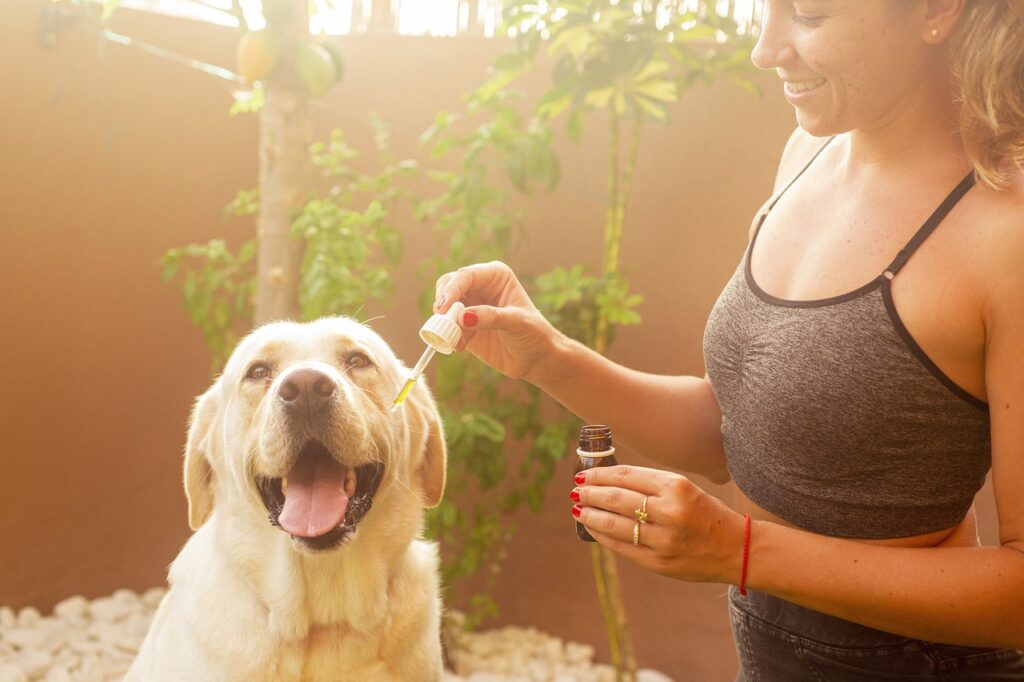
- Sublingual (Under the Tongue): Administering CBD oil directly under your dog’s tongue allows for quick absorption into the bloodstream. Use a dropper to place the oil in their mouth, ensuring they don’t spit it out. This method provides faster effects but may require training if your dog resists.
- Mixing with Food: If your dog is reluctant to take CBD oil directly, mix it into their regular food. Ensure the food is eaten promptly to avoid the CBD losing potency.
- Using CBD Treats: CBD-infused treats are a convenient and enjoyable way to deliver CBD. These pre-dosed options make it easy to incorporate CBD into your dog’s daily routine without additional effort.
- Topical Application: For localized issues like joint pain or skin irritation, apply CBD balms or creams directly to the affected area. This method targets specific concerns without systemic effects.
Step 5: Monitor Your Dog’s Response
After introducing CBD, closely monitor your dog’s behavior and overall health. Look for signs of improvement in the areas you’re targeting, such as reduced anxiety, improved mobility, or better sleep. Pay attention to any potential side effects, such as drowsiness, dry mouth, or changes in appetite. These are typically mild and resolve as your dog adjusts to CBD. If you notice any severe reactions, stop administering CBD and consult your veterinarian immediately.
Step 6: Establish a Consistent Routine
Consistency is key to ensuring your dog experiences the full benefits of CBD. Administer CBD at the same time each day to create a routine your dog can anticipate. Whether it’s given with breakfast, as a mid-day treat, or before bedtime, maintaining a regular schedule helps stabilize the effects of CBD and supports your dog’s overall wellness.
Step 7: Adjust Dosage as Needed
Every dog is unique, and their response to CBD may vary. If you’re not seeing the desired effects after a few days, gradually increase the dosage while staying within the recommended range. For chronic conditions like arthritis or anxiety, long-term use may be necessary to observe significant improvements. Periodically reassess your dog’s needs and adjust the dosage accordingly.
Tips for Safely Using CBD with Dogs
- Choose Pet-Specific Products: Avoid using CBD products designed for humans, as they may contain ingredients or THC levels that are harmful to dogs.
- Store Properly: Keep CBD products in a cool, dry place out of your dog’s reach to maintain potency and prevent accidental ingestion.
- Avoid Overdosing: Stick to recommended dosages and monitor your dog’s response. Overdosing may lead to temporary side effects like lethargy or diarrhea.
- Introduce Gradually: Allow your dog time to adapt to CBD, especially if they are new to supplements or have sensitive systems.
- Track Progress: Keep a journal of your dog’s behavior, symptoms, and improvements to share with your veterinarian and adjust the regimen as needed.
Potential Benefits of CBD for Dogs
CBD offers numerous benefits for dogs, including:
- Anxiety Relief: Reduces symptoms of stress, separation anxiety, and phobias.
- Pain Management: Eases chronic pain, arthritis, and post-surgical discomfort.
- Improved Mobility: Supports joint health and enhances mobility in senior dogs.
- Digestive Health: Alleviates nausea and stimulates appetite.
- Better Sleep: Promotes relaxation and improved sleep quality.
Conclusion
Introducing CBD into your dog’s daily routine can be a safe and effective way to enhance their well-being. By consulting your veterinarian, choosing high-quality pet-specific products, starting with a low dose, and monitoring your dog’s response, you can ensure they benefit from CBD without risks. Whether you’re addressing anxiety, pain, or overall wellness, incorporating CBD thoughtfully and consistently can make a positive difference in your dog’s quality of life. Always prioritize your pet’s safety and adjust their regimen based on their unique needs to help them thrive.