
Introduction
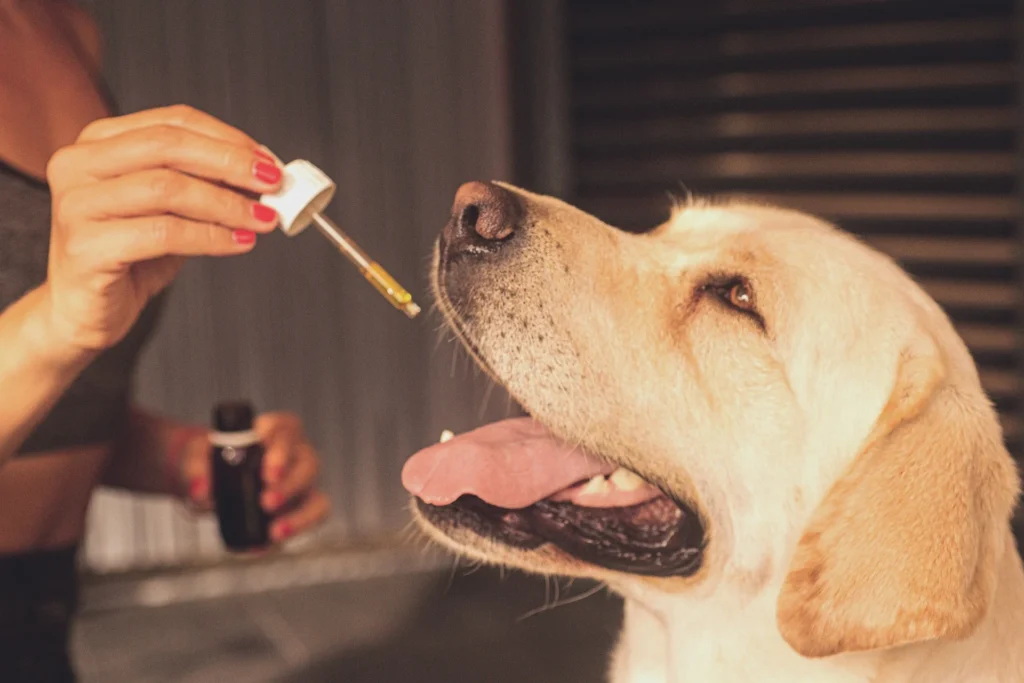
CBD has quickly become one of the most talked-about wellness supplements for pets. From dogs with anxiety to aging animals struggling with mobility, many pet owners are curious about whether CBD can offer natural support. At the same time, confusion, misinformation, and exaggerated claims have created hesitation and uncertainty.
Understanding what CBD really is—and what it is not—is essential before considering it for your pet. This guide breaks down the most common myths, explains the facts, and clears up misunderstandings surrounding CBD for pets.
What Is CBD and Why Are Pet Owners Interested?

CBD, or cannabidiol, is a non-intoxicating compound derived from the hemp plant. Unlike THC, CBD does not produce a “high.” Interest in pet CBD has grown as researchers continue to study the endocannabinoid system, which exists in mammals including dogs, cats, and horses.
Pet owners are drawn to CBD because it is often perceived as a gentler, plant-based option for supporting comfort, calm behavior, and overall wellness. However, interest alone does not replace the need for accurate information.
Myth 1: CBD Gets Pets High
One of the most widespread myths is that CBD will make pets feel intoxicated or “stoned.” This misunderstanding comes from confusion between CBD and THC.
Fact:
CBD is non-psychoactive. It does not cause a high when properly formulated. Pet-specific CBD products are typically made with little to no THC, as animals—especially dogs—are highly sensitive to THC and should not be exposed to it.
Reputable pet CBD products are either THC-free or contain trace amounts well below safety thresholds.
Myth 2: CBD Is the Same for Humans and Pets
Some pet owners assume they can give their animals the same CBD oil they use themselves.
Fact:
Human CBD products are not always appropriate for pets. They may contain ingredients such as flavorings, essential oils, or sweeteners that are unsafe for animals. Pet CBD products are formulated with animal safety, dosing, and absorption in mind.
Using CBD specifically designed for pets helps reduce the risk of adverse reactions and dosing errors.
Myth 3: CBD Works Instantly and Cures Everything
Marketing claims often make CBD sound like a miracle solution that works immediately for every issue.
Fact:
CBD is not a cure-all, and results vary depending on the pet, the issue being addressed, and product quality. Some pets may show noticeable changes quickly, while others may require consistent use over time—or may not respond at all.
CBD should be viewed as a wellness supplement, not a guaranteed treatment or replacement for veterinary care.
Myth 4: All CBD Products for Pets Are the Same
With so many brands on the market, it’s easy to assume one CBD product is as good as another.
Fact:
CBD quality can vary significantly. Factors such as hemp source, extraction method, cannabinoid profile, and third-party testing all influence safety and effectiveness. Low-quality products may contain inconsistent CBD levels, contaminants, or misleading labels.
Choosing products that provide clear ingredient lists and lab reports is critical for pet safety.
Myth 5: CBD Is Completely Risk-Free
Because CBD is plant-derived, some people believe it carries no risks at all.
Fact:
While CBD is generally well-tolerated, it is not entirely without potential side effects. Some pets may experience drowsiness, digestive upset, or changes in appetite, especially if given too much.
Starting with a low amount and observing your pet’s response is important, as is consulting a veterinarian—particularly if your pet is on medication or has existing health conditions.
Common Misunderstanding: CBD Is a Replacement for Veterinary Care
CBD is sometimes viewed as an alternative to professional treatment.
Clarification:
CBD should complement—not replace—veterinary guidance. It may support comfort or calm behavior, but it should never delay diagnosis or treatment of underlying health issues. A veterinarian can help determine whether CBD is appropriate and how it fits into an overall care plan.
Common Misunderstanding: More CBD Means Better Results
Pet owners sometimes increase CBD amounts too quickly in hopes of faster improvement.
Clarification:
More is not always better. Pets often respond best to lower, consistent amounts. Giving too much can increase the likelihood of side effects without improving results. Gradual adjustments are safer and more effective.
The Importance of Product Transparency
One of the clearest indicators of a trustworthy pet CBD product is transparency. Reliable brands clearly state CBD content, list all ingredients, and provide third-party lab testing to verify purity and potency.
Transparency helps pet owners make informed decisions and reduces the risk of accidental exposure to harmful substances.
What CBD Can Realistically Offer Pets
When expectations are realistic, CBD may serve as part of a broader wellness approach. Many pet owners explore CBD to support:
- Calm behavior during stressful situations
- Mobility and comfort in aging pets
- Overall balance and wellness
Results vary, and CBD works best when paired with good nutrition, proper exercise, and regular veterinary care.
Also Read: What CBD Is—and What It Isn’t: A Clear Guide for First-Time Users
Final Thoughts
CBD for pets is neither a miracle cure nor something to fear when used responsibly. Much of the confusion surrounding pet CBD comes from misinformation, exaggerated claims, and misunderstanding of how it works.
By separating myths from facts, pet owners can make thoughtful, informed decisions. Choosing high-quality products, starting slowly, and involving a veterinarian helps ensure CBD is used safely and appropriately. When approached with clarity and care, CBD can be one part of a balanced wellness routine for pets—nothing more, and nothing less.