
Introduction
When it comes to keeping our furry friends healthy, happy, and full of life, pet owners today are looking for natural and holistic solutions. Among the many wellness trends, CBD oil for dogs has taken center stage — and for good reason. Derived from the hemp plant, CBD (cannabidiol) offers a range of potential benefits that go beyond easing anxiety or joint pain.
From improving your dog’s coat health to promoting relaxation and balanced behavior, CBD may play a powerful role in supporting your canine’s overall well-being. Let’s explore how this natural compound works and what science says about its effects.
Understanding CBD and How It Works in Dogs

CBD is a non-psychoactive compound found in hemp that interacts with the body’s endocannabinoid system (ECS) — a network of receptors that helps maintain balance in key functions like mood, appetite, sleep, and immune response.
Dogs, like humans, have an ECS, and when they consume CBD, it interacts with their CB1 and CB2 receptors to support homeostasis. This means CBD can help regulate internal systems naturally, leading to benefits across both the mind and body.
1. Promoting Calm and Balanced Behavior
One of the most well-known uses of CBD for dogs is its calming effect. Many dogs experience stress or anxiety — whether from loud noises, separation, travel, or changes in routine. CBD may help soothe these emotional responses by interacting with serotonin receptors in the brain, which influence mood and relaxation.
Pet owners often notice that after consistent use, their dogs appear calmer, less reactive, and more emotionally stable. Unlike sedatives, CBD doesn’t make dogs drowsy — it simply helps them stay more composed in stressful situations.
2. Supporting Joint and Mobility Health
As dogs age, joint stiffness and arthritis become common issues. The anti-inflammatory properties of CBD can help reduce swelling and discomfort in joints, allowing dogs to move more comfortably.
CBD’s interaction with the ECS may also inhibit pain signaling and support faster recovery after physical activity or injury. Many senior dog owners find that adding CBD oil to their pet’s routine improves mobility and helps maintain an active lifestyle well into their golden years.
3. Enhancing Skin and Coat Health
CBD’s benefits extend beyond internal balance — it can also support healthier skin and a shinier coat. The compound contains essential fatty acids like omega-3 and omega-6, which nourish the skin and help maintain a smooth, glossy coat.
In dogs prone to dryness, allergies, or itchiness, CBD may also help calm irritation and reduce inflammation, promoting better skin comfort. Some pet owners even use topical CBD balms or shampoos to address specific problem areas, such as hot spots or dry patches.
4. Supporting Digestive and Immune Function
Digestive issues like nausea, bloating, or loss of appetite can be distressing for both pets and their owners. CBD interacts with cannabinoid receptors in the gut, which can help regulate digestion and reduce inflammation in the intestinal lining.
Moreover, CBD’s antioxidant and immune-supporting properties help strengthen your dog’s natural defenses, allowing them to fight off infections and maintain vitality. This makes it an excellent supplement for dogs recovering from illness or those with sensitive stomachs.
5. Encouraging Better Sleep and Rest
Just like humans, dogs need proper rest to stay healthy and happy. CBD’s calming properties can help reduce nighttime restlessness and promote more consistent sleep patterns. This is especially helpful for older dogs or those prone to anxiety, ensuring they wake up more relaxed and energetic the next day.
6. Managing Age-Related Decline
As dogs grow older, their bodies go through changes that can affect mood, memory, and physical function. CBD’s neuroprotective and anti-inflammatory effects may help slow cognitive decline, keeping senior dogs more alert and responsive.
It may also support joint lubrication, pain management, and appetite regulation, helping older dogs maintain a better quality of life naturally.
How to Give CBD to Your Dog
CBD comes in several forms, including oils, treats, capsules, and topical creams.
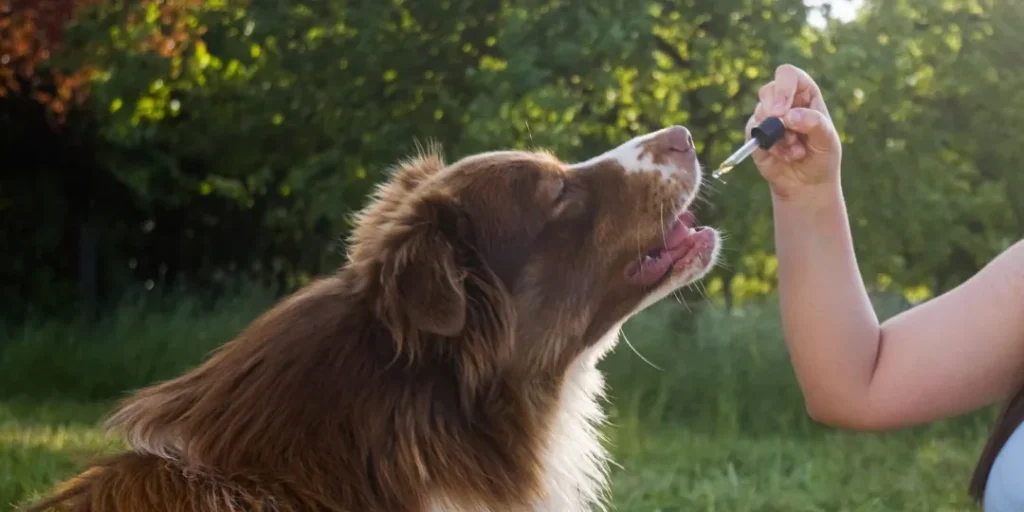
- CBD oil is the most versatile option — you can place drops directly under your dog’s tongue or mix them into their food.
- CBD treats make dosing fun and convenient, especially for picky eaters.
- Topical CBD products work best for targeted relief on skin irritations or joint areas.
Start with a low dose and gradually increase it while observing your dog’s response. Each pet’s ideal dosage depends on factors like weight, metabolism, and the severity of their symptoms. Always choose third-party tested, pet-safe CBD products made from hemp-derived CBD (not marijuana), as they are THC-free and completely non-intoxicating.
Are There Any Side Effects?
CBD is considered safe and well-tolerated for most dogs, especially when sourced from high-quality, hemp-derived products that are free of THC and contaminants. However, as with any supplement, some dogs may experience mild and temporary side effects, particularly when starting out or if given a dose that’s too high for their size and metabolism.
Common reactions can include slight drowsiness, especially if the CBD has a calming effect that’s stronger than expected. Some dogs may experience dry mouth, which can show up as increased thirst or more frequent drinking. Others might have minor changes in appetite—either eating a bit more or a bit less—until their body adjusts to the new supplement.
These side effects are typically short-lived and mild, fading as your dog’s system adapts to CBD. Still, it’s important to start with a low dose and gradually increase it while observing your dog’s behavior and comfort level. Every pet is unique, so what works perfectly for one may be too strong for another.
If your dog is already taking prescribed medications, particularly for conditions like pain, anxiety, or seizures, it’s wise to consult your veterinarian first. CBD can interact with certain drugs by influencing how the liver metabolizes them, potentially altering their effects. A vet familiar with your pet’s medical history can guide you on safe dosages, timing, and any potential interactions.
By taking a careful, informed approach, you can make sure your dog enjoys the benefits of CBD safely and effectively, without unwanted side effects.
Also Read: CBD Edibles vs. Oils: Which One Fits Your Lifestyle Best?
Final Thoughts
CBD has quickly become a cornerstone of natural pet wellness — and for good reason. From supporting emotional balance and pain relief to enhancing coat shine and skin comfort, this natural compound offers a gentle yet effective way to care for your dog’s overall health.
When sourced from reputable brands and used consistently, CBD can help your furry friend lead a happier, calmer, and more vibrant life — naturally.