
Introduction
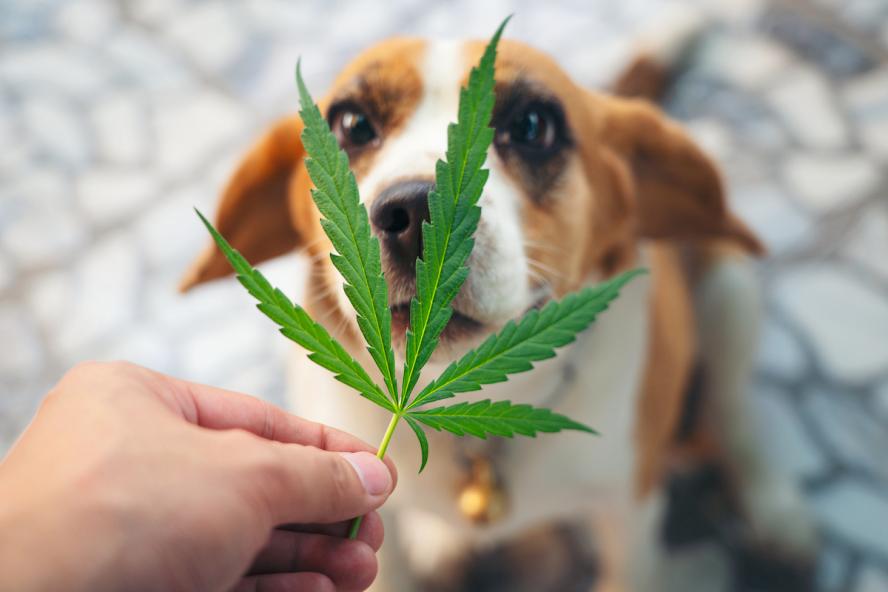
As our pets age, they face many of the same challenges that humans do—slower movement, increased discomfort, and health issues that come with growing older. Watching a beloved dog struggle to get up the stairs or a cat wince when jumping onto a couch can be heartbreaking. Fortunately, a growing number of pet owners and holistic veterinarians are turning to CBD oil as a natural solution to support aging pets. Derived from the hemp plant, CBD (cannabidiol) offers promising benefits for senior animals, especially when it comes to relieving chronic pain and improving mobility.
Understanding CBD Oil and How It Works in Pets
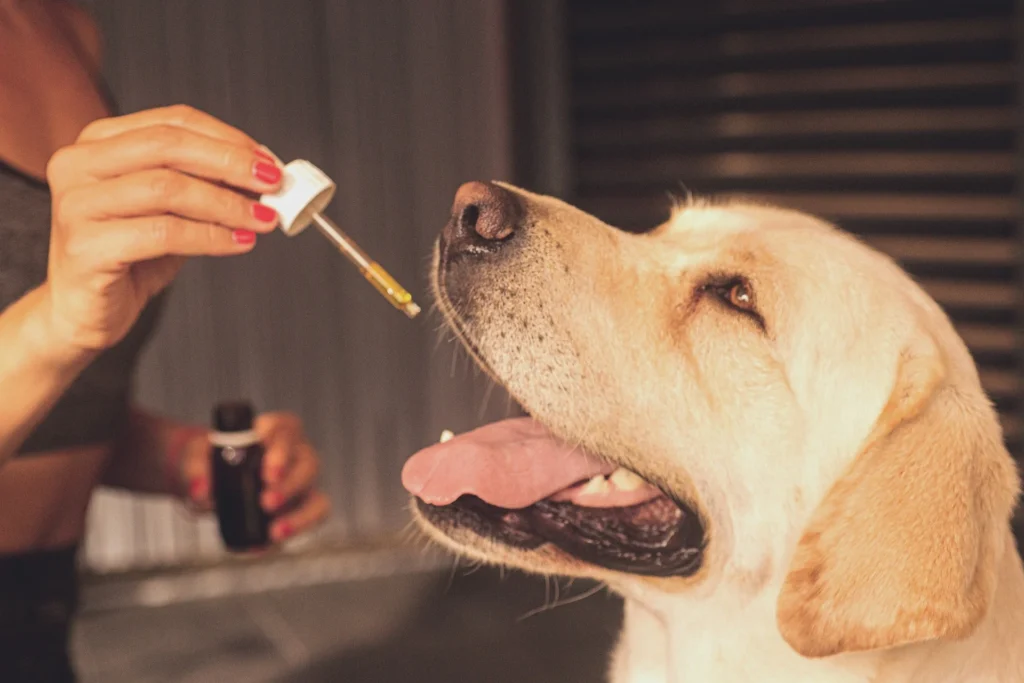
CBD is a non-psychoactive compound found in hemp that interacts with the endocannabinoid system (ECS)—a complex cell-signaling system found in all mammals, including dogs and cats. The ECS plays a vital role in maintaining balance (homeostasis) in the body, regulating functions such as pain perception, inflammation, mood, sleep, and immune response. By influencing ECS receptors, CBD may help manage discomfort and support a more stable internal environment.
Unlike THC, the psychoactive compound in cannabis, CBD does not cause a “high” and is generally well-tolerated by animals when sourced from high-quality hemp and administered in proper doses.
Common Age-Related Issues in Pets
As pets age, they undergo numerous physical and behavioral changes that can significantly affect their overall well-being. Much like aging humans, senior dogs and cats become more susceptible to a wide range of health issues that can interfere with daily life and reduce their quality of life. One of the most common and debilitating conditions is arthritis, a degenerative joint disease that causes inflammation, stiffness, and pain. Pets with arthritis may struggle with basic movements—climbing stairs, getting into cars, or even standing up after resting.
In addition to arthritis, senior pets may suffer from hip dysplasia, especially in certain breeds, as well as chronic inflammation in muscles and joints. These conditions often develop slowly but worsen over time, leading to noticeable changes in posture, gait, and energy levels. Many older pets also experience decreased appetite, digestive irregularities, and cognitive decline, sometimes referred to as “doggie dementia” or feline cognitive dysfunction. Behavioral changes like confusion, restlessness, and increased anxiety—particularly during the night—are common symptoms.
To manage these issues, conventional veterinary treatment often involves the use of non-steroidal anti-inflammatory drugs (NSAIDs), steroids, or other prescription medications. While these drugs can provide temporary relief, especially from pain and inflammation, long-term use can introduce a host of side effects, including gastrointestinal problems, liver or kidney strain, and weakened immune function. For many pet owners, the risk-benefit ratio of these medications becomes less favorable as their pet continues to age.
This is where CBD oil presents a compelling natural alternative. Unlike traditional pharmaceuticals, CBD is a plant-derived compound that appears to work gently with the body’s natural systems, particularly the endocannabinoid system, to promote balance and comfort. Although scientific research on CBD use in pets is still in its early stages, early studies and widespread anecdotal reports suggest that CBD may offer a safer, long-term option for managing chronic pain, anxiety, and inflammation in senior animals.
Many pet owners have observed notable improvements in their aging pets after introducing CBD—such as more fluid movement, reduced signs of discomfort, a return of appetite, and improved overall mood. While it’s important to proceed with careful dosing and veterinary guidance, the growing interest in CBD as a holistic supplement reflects its potential to enhance quality of life for pets in their later years, without the risks often associated with conventional medications.
CBD for Pain Management in Senior Pets
Chronic pain is among the most heartbreaking challenges faced by senior pets—and one of the most difficult for owners to witness. Over time, wear and tear on joints, muscles, and bones can lead to persistent discomfort that affects every aspect of a pet’s daily life. Common sources of chronic pain in older animals include osteoarthritis, spinal degeneration, hip dysplasia, and lingering injuries from earlier in life. These conditions can make once-simple activities—like getting up from a nap, walking around the house, or climbing into the car—painful and exhausting.
Many pets instinctively try to hide their pain, but subtle changes in behavior—such as limping, reluctance to move, irritability, or restlessness—often signal that something is wrong. Unfortunately, as the pain becomes more severe, it can lead to reduced mobility, muscle wasting, and a steep decline in quality of life. While conventional treatments such as NSAIDs, corticosteroids, or painkillers can offer relief, they may not always be effective or sustainable, especially for pets with compromised liver or kidney function or those that experience negative side effects.
This is where CBD oil emerges as a promising, natural alternative. Cannabidiol (CBD) works by interacting with the endocannabinoid system (ECS), a complex network of receptors—particularly CB1 and CB2 receptors—located throughout the body, including in the nervous system and immune tissues. By modulating these receptors, CBD may help regulate how the body processes and perceives pain. Specifically, it is believed to dampen pain signals sent to the brain while also reducing inflammation in and around affected joints or tissues.
The result is a dual-action approach: relief from pain and a calming of the inflammatory processes that often worsen discomfort. Unlike many pharmaceuticals, CBD does this without harsh side effects or risks of dependency. Many pet owners who introduce CBD into their aging pet’s wellness routine report noticeable improvements. Their pets become more relaxed, more mobile, and more eager to engage in daily activities—whether it’s going for a short walk, playing gently, or simply moving around the home with greater ease.
This improvement in mobility and comfort is especially critical for pets that no longer respond well to traditional pain medications or cannot tolerate them due to underlying health conditions. In such cases, CBD oil can serve as a gentler, more sustainable form of pain management, offering aging pets a chance to live out their senior years with greater dignity and reduced discomfort. Of course, as with any supplement or treatment, it’s essential to use high-quality, pet-safe CBD oil and consult a veterinarian to develop a safe and effective dosing plan tailored to your pet’s needs.
Improving Mobility and Quality of Life
With reduced pain often comes improved mobility. Senior pets that once hesitated to climb stairs, go on walks, or even stand up from a resting position may regain some of their former energy and movement with regular CBD use. By easing inflammation and pain in the joints and muscles, CBD helps pets feel more confident and capable in their everyday movements.
Improved mobility not only enhances your pet’s physical health but also contributes to emotional well-being. Dogs and cats are naturally curious and social animals, and staying active plays a critical role in reducing boredom, anxiety, and depression—conditions that can worsen with age and limited movement.
Supporting Calmness and Cognitive Function
Beyond physical symptoms, senior pets often face emotional and cognitive challenges. Dogs may experience “canine cognitive dysfunction,” a condition similar to Alzheimer’s disease in humans, which can lead to confusion, restlessness, and disrupted sleep. Older cats can also become more vocal or anxious, especially at night.
CBD is known for its calming properties. By interacting with serotonin receptors, it may help reduce anxiety and stabilize mood. Many pet owners have observed improvements in their pet’s demeanor, sleep quality, and responsiveness after starting CBD oil. This emotional support can make a big difference in the later years of a pet’s life.
Appetite Stimulation and Digestive Health
It’s not uncommon for senior pets to develop a reduced appetite or experience digestive issues. Weight loss and malnutrition can further weaken an aging animal, leading to a downward spiral in health. CBD has been noted for its potential to stimulate appetite and support digestion by easing nausea and inflammation in the gut.
When a pet begins to eat better, their energy levels, immunity, and overall well-being often improve. This makes CBD a valuable tool for pet owners looking to support their senior animals from the inside out.
Choosing the Right CBD Oil for Senior Pets
When considering CBD for your senior pet, quality and formulation matter. Look for CBD oils specifically formulated for pets, ideally made from organically grown hemp and third-party lab-tested for purity and potency. Avoid products that contain THC or harmful additives. A full-spectrum or broad-spectrum CBD oil that includes other beneficial plant compounds may offer enhanced effects through the entourage effect.
Dosage should always start low—typically around 0.2 mg of CBD per pound of body weight—and gradually increase until desired results are seen. Monitor your pet closely for changes in behavior, energy, appetite, and mobility. It’s also a good idea to consult your veterinarian, especially if your pet is on other medications.
Potential Side Effects and Considerations
While CBD is generally well-tolerated by most pets, it’s still important to recognize that every animal is unique. Some senior pets, especially those with sensitive systems or underlying health conditions, may experience mild side effects when first introduced to CBD oil. Common side effects can include drowsiness, dry mouth, or mild gastrointestinal upset such as diarrhea or changes in appetite. These reactions are usually temporary and tend to subside as your pet’s body adjusts to the compound.
In most cases, such side effects occur when the dosage is too high or when the product used isn’t well-suited for pets. That’s why starting with a low dose and gradually increasing it based on your pet’s weight, size, and response is crucial. Opting for CBD oils specifically formulated for pets—free of THC, xylitol, artificial flavors, and other harmful additives—is equally important. Look for products that are third-party tested to ensure purity, potency, and safety.
That said, it’s important to manage expectations when using CBD. While it can play a valuable role in improving your pet’s comfort, mobility, and emotional well-being, CBD is not a cure-all. It does not replace medical treatment for serious conditions, nor should it be the sole strategy in managing your senior pet’s health.
CBD works best as part of a comprehensive care plan tailored to your pet’s specific needs. This might include regular veterinary checkups, nutrient-rich senior pet food, joint-support supplements, and even physical therapy or gentle exercise routines designed to keep muscles strong and joints flexible. Addressing your pet’s health from multiple angles ensures they receive the best support possible during their golden years.
In short, CBD is a valuable tool—but like any wellness product, it delivers the greatest benefit when used thoughtfully, in coordination with your vet, and as part of a broader strategy to promote long-term health and comfort.
Also read: How CBD Supports a Horse’s Endocannabinoid System
Final Thoughts
Senior pets deserve comfort, dignity, and quality of life in their golden years. CBD oil offers a natural and increasingly popular way to ease pain, reduce inflammation, and improve mobility without the harsh side effects of traditional medications. Whether it’s helping your dog walk a little farther on daily strolls or making it easier for your cat to jump onto their favorite perch, the potential benefits of CBD oil for aging pets are worth exploring.
With proper use and veterinary guidance, CBD can be a gentle yet powerful ally in helping your furry companion age gracefully and with greater ease.